One of the most common questions we’re asked before moving day is what items can’t be loaded onto a removal van.
While many household belongings can be transported without issue, there are certain items that professional removal companies cannot move due to insurance restrictions and safety concerns.
In most cases, these restrictions are in place to protect your belongings, the removal team and the vehicle itself. So, what will removal companies not move?
In short, items including petrol, paint, engine oil, and compressed gas can create risks during transit and may not be covered under a removal company’s insurance policy.
In this guide, we’ll explain what removal companies typically won’t move and why these restrictions exist, helping you avoid any surprises on moving day.
Why Removal Companies Can’t Move Certain Items
While it may require a little extra preparation before moving day, these restrictions exist for good reason.
Professional removal companies have a responsibility to protect your belongings, as well as their staff, vehicles and other customers’ possessions. Some items can leak, catch fire or cause damage during transport, creating risks that most removal companies are unable to accept.
For example, a leaking tin of paint or bottle of engine oil could damage multiple items inside a removal van, while petrol and compressed gas products present more serious safety concerns.
Insurance is another important factor. If a prohibited item causes damage during a move, the resulting costs may not be covered by a removal company’s insurance policy.
Many of these restrictions are also supported by UK Government guidance on the transportation of dangerous goods.
Removal companies are not transporting goods commercially in the same way as specialist hauliers, but the guidance highlights why substances such as petrol, paint and compressed gas require careful handling and are often excluded from removal vehicles and insurance policies.
While policies vary between providers, the aim is always the same: to ensure a safe and secure move for everyone involved. With that in mind, let’s take a closer look at the items that removal companies typically won’t transport and why.
1. Paint
It’s easy to overlook a few tins of paint when preparing for a house move. After all, if they’re sealed and stored away in the garage, what harm could they do?
Unfortunately, paint can become a serious problem if it leaks or spills during transit. A single damaged tin can ruin furniture, boxes and other belongings being transported in the same vehicle.
In a fully loaded removal van, even a small paint leak can spread further than you might expect, turning a straightforward move into a costly clean-up operation.
Once it dries, it can be extremely difficult to remove and may permanently damage your belongings.
There are also safety considerations. The Health and Safety Executive (HSE) highlights that some paints and coatings contain hazardous substances and flammable solvents, which can create fire and explosion risks under certain circumstances.
Not all household paints fall into this category, but the guidance shows why paint requires careful handling and why many removal companies choose not to transport it.

A single damaged tin can ruin furniture, boxes and other belongings being transported in the same vehicle.
2. Petrol and Fuel Containers
Petrol is another item that removal companies are typically unable to transport.
This isn’t simply a precautionary measure. Petrol is a highly flammable liquid that can give off combustible vapours even at very low temperatures.
In fact, petrol has a flash point of around -40°C, meaning it can produce ignitable vapours throughout the year, even during cold weather.
The Health and Safety Executive (HSE) warns that petrol vapour can build up in enclosed spaces and may create a fire or explosion risk if exposed to a spark or heat source. Even empty petrol containers can still contain enough vapour to be hazardous.
For these reasons, petrol and fuel containers are generally excluded from removal vehicles and are unlikely to be covered by a removal company’s insurance policy.
This restriction also applies to jerry cans. Even if a container appears empty, small amounts of fuel and vapour can remain inside, which is why most removal companies will refuse to transport them.
What About Fuel Left in Garden Equipment?
Restrictions don’t just apply to petrol stored in cans. Petrol-powered garden equipment can also create complications on moving day.
Items such as lawnmowers, strimmers and other garden machinery may still contain fuel, even if they haven’t been used for some time. As a result, removal companies will often ask customers to use as much of the remaining fuel as possible before the move.
In some cases, a small amount of residual fuel may be acceptable, but requirements can vary between removal companies. If you’re planning to move petrol-powered equipment, it’s always best to check in advance so there are no surprises on moving day.

Items such as lawnmowers, strimmers and other garden machinery may still contain fuel, even if they haven’t been used for some time.
3. Engine Oil
A bottle of engine oil tucked away in the garage might not seem like a problem when you’re preparing for a move. However, if that container leaks during the move, the consequences can be surprisingly far-reaching.
Unlike general household liquids, engine oil can soak into porous materials such as cardboard, carpets and upholstery, making spills particularly difficult to clean up. Once absorbed, it can leave behind stubborn stains and residue that require specialist cleaning products to remove effectively.
In a fully loaded removal van, even a relatively small leak has the potential to spread beyond the original container, affecting boxes, furniture and other belongings nearby. What starts as a small amount of spilt oil can quickly become an expensive and time-consuming clean-up job.
4. Compressed Gas Cylinders
Many people associate gas cylinders with large industrial equipment, but compressed gas can be found in everyday items such as camping gas canisters, BBQ gas bottles, patio heaters, fire extinguishers and some aerosol products.
What these items have in common is that they are stored under pressure. The British Compressed Gases Association (BCGA) notes that all gas cylinders contain gases under pressure and pose a risk of explosion if not safely handled and stored.
While these products may seem harmless when kept in a garage or shed, damage, excessive heat, or a fault can cause the pressurised contents to escape unexpectedly.
For this reason, removal companies will typically refuse to transport compressed gas products as part of a household move.
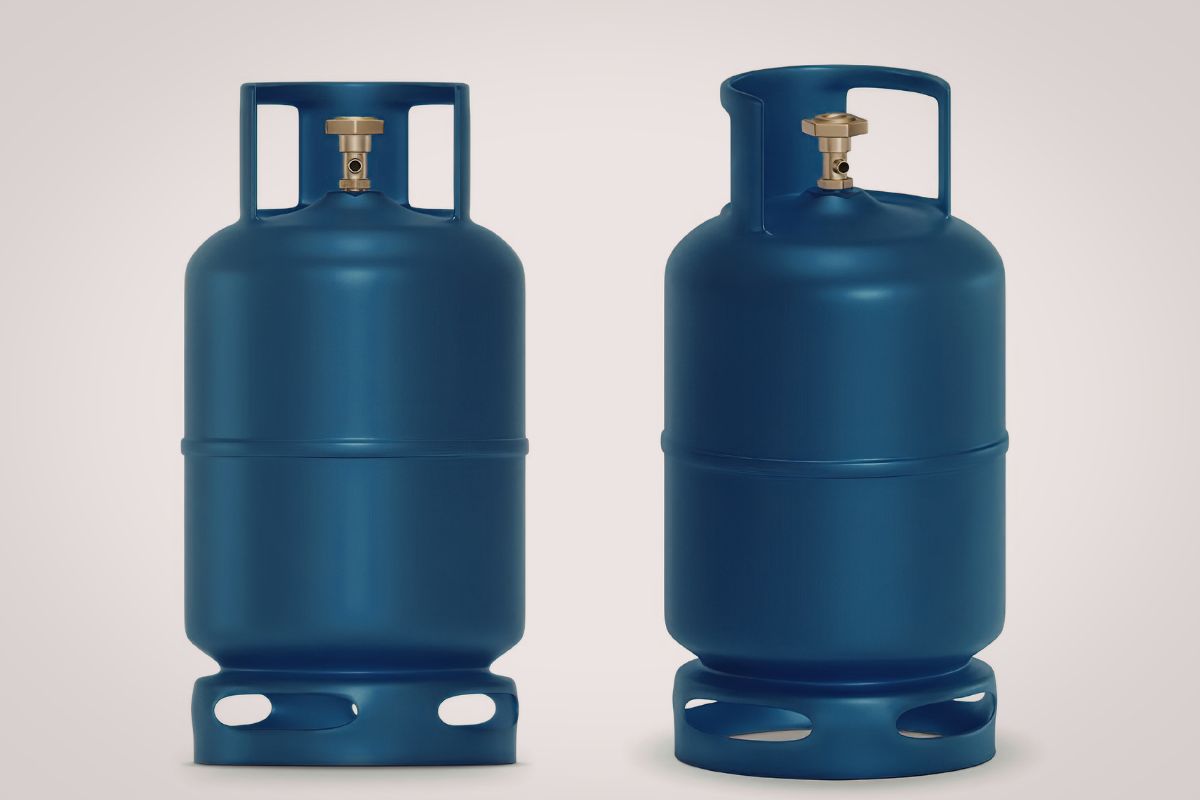
All gas cylinders contain gases under pressure and pose a risk of explosion if not safely handled and stored.
How Can We Help
Understanding what removal companies can and can’t transport is an important part of preparing for moving day.
If you’re not sure whether something can be transported, it’s always worth asking well before moving day. A brief conversation can help avoid last-minute surprises and ensure everything goes according to plan.
At Falconer Removals & Storage, we use meticulous moving techniques, passed down and perfected through generations for over 132 years, to ensure your belongings are moved with expert care and precision.
To find out more about our removals and storage services, get in touch with Nathan.
You can also explore our blog for more moving tips, advice and answers to common removals questions.